Healthcare professionals spend years developing the knowledge and skills necessary to care for patients. Physicians, nurses, pharmacists, dentists, therapists, and countless other licensed professionals are highly trained experts in their respective fields. Unfortunately, when a complaint is filed with the Illinois Department of Financial and Professional Regulation (IDFPR), many professionals make the understandable mistake of assuming they can handle the matter themselves.
While that instinct may come from confidence in their professional abilities, an IDFPR investigation is not about practicing medicine, nursing, pharmacy, or another licensed profession. It is an administrative legal process governed by statutes, regulations, procedures, and investigative protocols. Understanding how to navigate that process can make a significant difference in the outcome of a licensing matter.
Listen to the Healthcare Consultants Podcast with Great Guests!
Being an Excellent Professional Does Not Mean Understanding the Regulatory Process
Every profession has its own language, standards, and expectations. Healthcare providers spend their careers learning how to diagnose patients, develop treatment plans, document care, and make clinical decisions. Those skills are invaluable when serving patients, but they do not necessarily prepare someone to respond strategically to an administrative investigation.
Many professionals believe that if they simply explain what happened, investigators will understand and the matter will quickly be resolved. Sometimes that happens. Often, however, there are legal considerations that extend well beyond the underlying facts of the complaint.
Investigators and prosecutors are evaluating evidence through the lens of Illinois licensing laws, administrative rules, professional standards, and agency policies. Statements that seem harmless or helpful may create unnecessary complications if they are made without fully appreciating how they may be interpreted within the regulatory process.
IDFPR Has a Different Mission Than Healthcare Providers
Healthcare professionals are trained to care for individual patients. IDFPR has a different responsibility. Its mission is to protect the public by regulating licensed professions throughout Illinois.
That means investigators are not approaching a case from the same perspective as the healthcare provider involved. They are gathering information, reviewing documentation, evaluating compliance with applicable laws, and determining whether disciplinary action may be appropriate.
Understanding those differing perspectives is critical. Successfully responding to an investigation often requires more than simply proving that appropriate care was provided. It also requires presenting information in a manner that addresses the specific questions and responsibilities of the agency.
Experience Inside the Agency Matters
One of the most valuable advantages an experienced licensing defense attorney can offer is familiarity with how regulatory agencies operate.
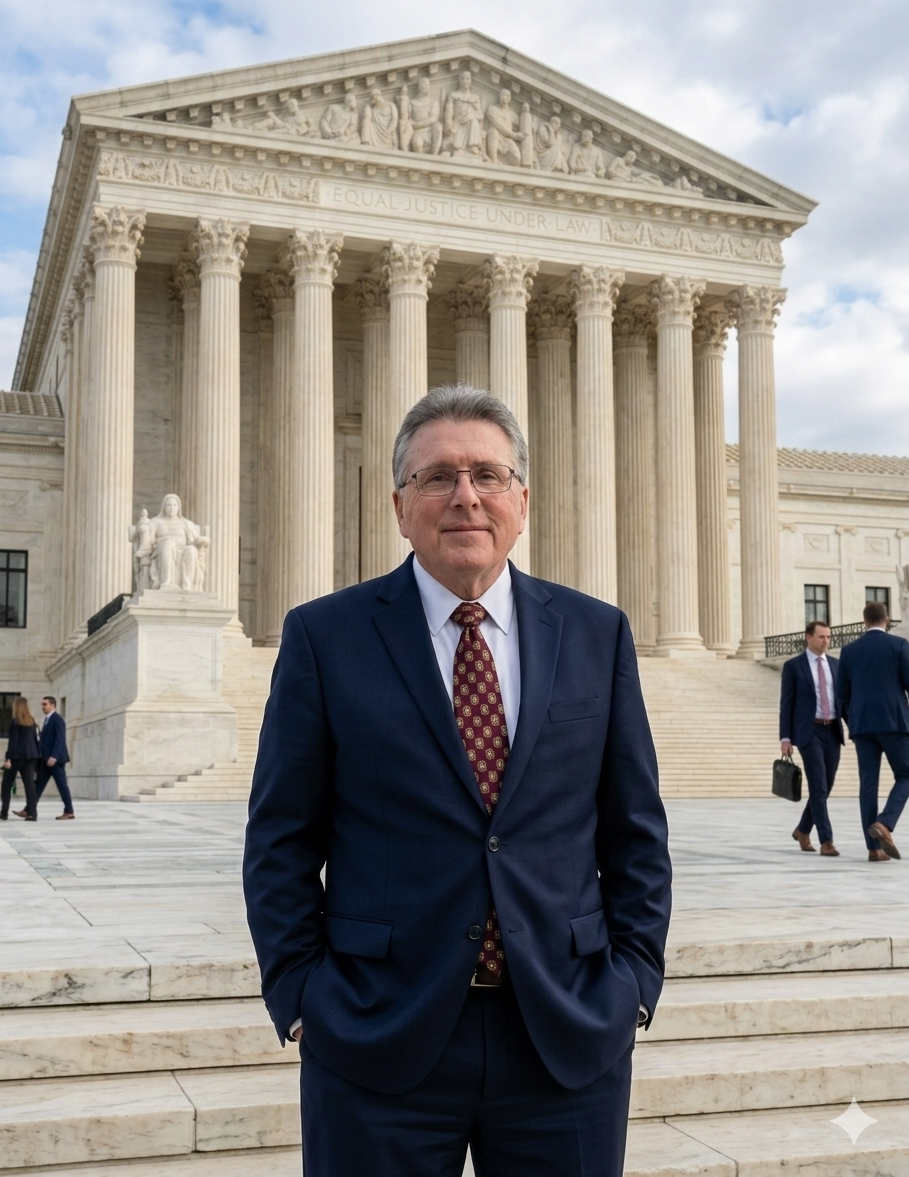
Attorney Michael V. Favia previously served as Chief Prosecutor for the Illinois Department of Professional Regulation, now known as the Illinois Department of Financial and Professional Regulation. That experience provided firsthand knowledge of how investigations are developed, how evidence is evaluated, and how disciplinary decisions are ultimately made.
Former agency experience does not create special treatment or shortcuts. What it does provide is practical insight into the investigative process, the priorities of regulators, and the types of information that can help resolve matters efficiently and effectively.
The Goal Is Often to Minimize Disruption
Many professionals immediately assume that an investigation will end their career. Fortunately, that is rarely the case.
In many situations, the primary objective is to resolve the matter while minimizing unnecessary disruption to the professional’s license, practice, reputation, and ability to continue serving patients.
Achieving that objective often requires careful planning from the earliest stages of the investigation. Deadlines must be met. Responses should be thoughtful and complete. Supporting documentation should be organized. Communications with investigators should be handled strategically rather than emotionally or reactively.
The sooner experienced legal counsel becomes involved, the more opportunities may exist to present information effectively and potentially reduce the impact of the investigation.
Every Communication Matters
Many professionals do not realize that every written response, interview, or document submitted during an investigation becomes part of the administrative record.
Unlike an ordinary conversation, responses to investigators can influence how a case develops. Even truthful statements can create misunderstandings if they lack context or are not presented carefully.
An attorney familiar with licensing defense helps ensure that communications accurately reflect the facts while addressing the legal and procedural issues that regulators must evaluate.
Protecting Your Career Means Understanding the Process
Receiving notice of an IDFPR investigation can be stressful, even for professionals who have done nothing wrong. The uncertainty alone can create significant anxiety.
Contact Chicago IDFPR Defense Attorney Michael V. Favia at (312) 609-6666
Attempting to navigate that process without experienced legal guidance may unintentionally increase the risks involved. Just as patients rely on healthcare professionals for specialized medical knowledge, licensed professionals often benefit from working with attorneys who focus on administrative licensing matters and understand the unique procedures governing regulatory investigations.
Protecting a professional license is about more than responding to a complaint. It is about understanding the process, anticipating potential issues, and presenting your case in a way that gives you the best opportunity to continue your career with as little interruption as possible.
If you have been contacted by the Illinois Department of Financial and Professional Regulation regarding your professional license, obtaining experienced legal guidance early in the process can help you make informed decisions and confidently navigate every stage of the investigation.