
Understanding the Wellness and Oversight for Psychological Resources Act
In August 2025, Illinois Governor JB Pritzker signed into law the Wellness and Oversight for Psychological Resources Act, a significant piece of legislation designed to regulate the growing role of artificial intelligence in mental health care. The new law establishes clear boundaries for how AI can be used in therapeutic and behavioral health settings. It explicitly prohibits AI systems from independently providing therapy or making treatment decisions without the direct involvement of a licensed human clinician.
The Illinois Department of Financial and Professional Regulation (IDFPR) was a driving force behind this legislation, working closely with lawmakers, advocacy groups, and professional associations such as the National Association of Social Workers – Illinois Chapter. Together, they recognized the increasing prevalence of AI chatbots and virtual platforms that were being marketed as substitutes for therapy. The goal of the new law is not to discourage innovation but to ensure that the use of technology in healthcare remains safe, ethical, and properly supervised. This new framework reflects the state’s commitment to patient protection and professional accountability in the evolving landscape of digital healthcare.
Why the Law Was Needed
Artificial intelligence has advanced rapidly in the healthcare sector, particularly in mental health. AI-powered chatbots and wellness applications have become widely available, promising users instant access to mental health advice and support. While many of these tools can provide helpful reminders, journaling prompts, and educational information, they are not substitutes for licensed therapy. Several reports across the nation have documented cases where individuals in crisis received harmful or misleading guidance from unregulated AI programs that lacked human oversight.
Illinois officials saw these developments as a serious public safety concern. Without the input of trained mental health professionals, AI tools can easily misunderstand complex emotional situations or misinterpret cues that a human therapist would recognize as signs of distress or potential harm. Lawmakers responded to the growing evidence that patients were relying on untested technologies for sensitive psychological issues. The Wellness and Oversight for Psychological Resources Act provides a necessary safeguard by ensuring that AI tools in mental health settings operate only under the supervision of licensed clinicians.
Protecting Patients and Professionals
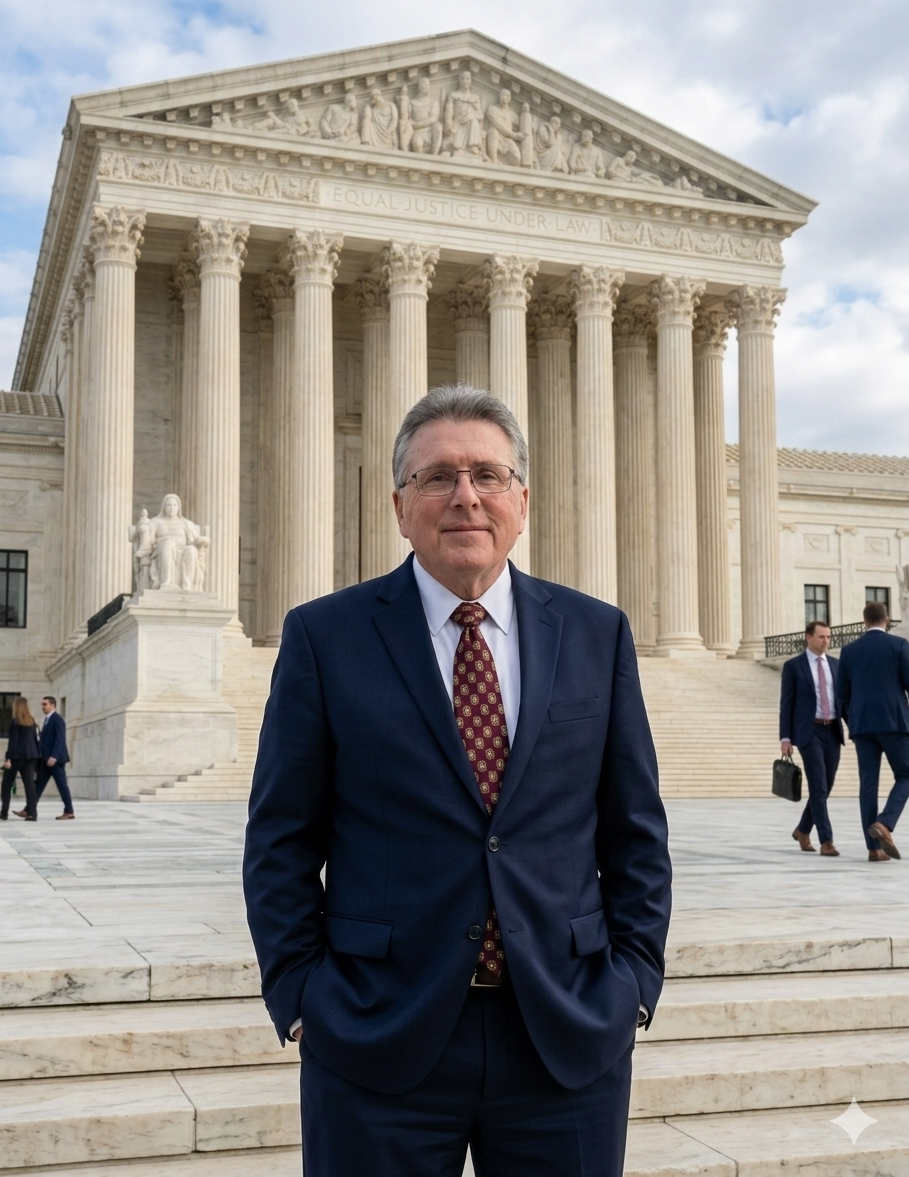
Chicago IDFPR Defense Attorney Michael V. Favia, J.D.
One of the central goals of this legislation is to protect both patients and professionals. Patients seeking mental health care often do so during vulnerable times. They need assurance that the advice or guidance they receive comes from a qualified, accountable human being. AI systems cannot yet replicate empathy, ethical reasoning, or clinical judgment. They lack the ability to evaluate nonverbal communication, assess risk factors in real time, or make decisions based on a holistic understanding of an individual’s history and context.
From the professional side, the new law ensures that the therapeutic relationship remains grounded in human expertise. IDFPR Secretary Mario Treto, Jr. has emphasized that Illinois residents deserve to receive care from licensed professionals who are properly trained to recognize risk, deliver appropriate treatment, and maintain confidentiality in accordance with professional standards. The law helps preserve the professional integrity of therapists, psychologists, social workers, and other licensed behavioral health providers who have invested years of education and training to earn their credentials.
This balance of protection also ensures that the healthcare system maintains public trust. Patients can feel confident that their care is being managed responsibly, while professionals know that the boundaries of their field are being respected in the age of automation. Illinois has made clear that while technology can assist healthcare providers, it cannot replace the human judgment essential to ethical and effective treatment.
Implications for Healthcare Providers and Compliance
For healthcare organizations, the passage of this law introduces new compliance responsibilities. Clinics, telehealth platforms, and digital health developers must review how they use AI within their systems. The law allows AI to perform administrative or supportive tasks, such as scheduling, documentation, or reminders. However, any activity that could be construed as diagnosing, treating, or counseling without clinician oversight now carries legal risk. Organizations must ensure that human professionals remain directly involved in therapeutic decision-making.
Compliance professionals should closely examine their digital tools and partnerships. This includes reviewing vendor contracts, software algorithms, and user-facing interfaces to confirm that AI features are limited to appropriate functions. If a system provides recommendations or feedback that could influence patient behavior or treatment choices, it must be subject to licensed supervision. Providers may also need to update internal policies, train staff, and document oversight protocols to satisfy regulatory requirements.
For hospitals and health systems that operate telehealth programs, the new law reinforces the need for clear lines of accountability. Clinicians must retain final authority over patient interactions and treatment plans. Failure to comply could lead to disciplinary action by IDFPR or even allegations of unlicensed practice. Organizations that take proactive steps now to align their practices with the law will be best positioned to avoid regulatory exposure and maintain the confidence of their patients and partners.
The Role of Legal Counsel in Navigating Compliance
The intersection of healthcare, technology, and law continues to grow more complex. As new tools emerge and regulations evolve, healthcare providers need guidance from attorneys experienced in licensing, compliance, and risk management. Legal counsel plays a critical role in helping clients evaluate how state and federal rules apply to the use of AI in clinical and administrative settings.
Law firms like Michael V. Favia & Associates, P.C. are uniquely equipped to assist healthcare organizations and professionals in understanding these developments. The firm regularly advises clients on compliance with IDFPR regulations, scope of practice issues, and the integration of new technologies in clinical environments. In the case of AI-assisted care, attorneys can review contractual language with technology vendors, ensure marketing materials accurately reflect the role of human clinicians, and provide guidance on best practices for documenting oversight and consent.
Additionally, legal counsel can help healthcare professionals respond if a complaint or investigation arises. If a provider or facility is accused of violating the new law, experienced attorneys can work with IDFPR to address the matter, negotiate settlements, or defend licenses in disciplinary proceedings. As the regulatory environment becomes more data-driven and technology-focused, maintaining an ongoing relationship with legal advisors familiar with both healthcare operations and professional regulation will be increasingly important.
Looking Ahead: Balancing Innovation and Protection
The Wellness and Oversight for Psychological Resources Act does not seek to eliminate AI from healthcare; instead, it sets parameters to ensure technology supports human clinicians rather than replaces them. Artificial intelligence holds tremendous potential for improving efficiency, expanding access, and enhancing patient engagement. Used properly, AI can help healthcare professionals manage administrative burdens, track progress, and identify emerging trends in population health. The challenge lies in balancing these benefits with the ethical duty to protect patients from harm.
Illinois’ proactive approach is likely to serve as a model for other states. By defining clear limits on how AI can be used in behavioral health, the state has created a framework for responsible innovation. As more healthcare organizations adopt AI-powered tools, the need for oversight will grow. Regulators, clinicians, and technology developers must continue collaborating to create systems that respect patient safety and professional accountability.
Future discussions may focus on expanding similar protections to other areas of medicine where AI is playing a greater role, such as diagnostic imaging, primary care, and prescription management. These conversations will require a careful understanding of both technology capabilities and human judgment. Illinois has set a precedent that innovation should never come at the expense of the personal connection and ethical commitment that define professional healthcare.